🐾 Is it safe for your pet?
Type any food, plant, or household product, pick your pet’s species, and get a clear answer in seconds — built for dogs, cats, birds, rabbits, reptiles, and more.
For reference only — not veterinary advice. In an emergency, contact your vet immediately.
Answers are AI-assisted. A new answer is labelled “Pending source check” until the Eaoae Safety Review has verified it against published guidance.
How it works
🔍 Ask
Type the item and choose your pet’s species.
✅ Get a verdict
Safe, Caution, Unsafe, or Unknown — with the reasoning behind it.
🩺 Know what to do
Clear next steps if something risky was eaten or touched.
How Eaoae compiles its answers
Eaoae is a compilation, not a clinic. We gather what the leading animal-poison authorities publish — ASPCA Animal Poison Control, Pet Poison Helpline, the Merck Veterinary Manual, VCA Hospitals, PetMD, and university veterinary schools — and put their positions side by side, so you can see where they agree and where they don’t.
A verdict is only marked as checked when it is backed by at least two independent, item-specific sources, including at least one primary authority (a poison-control service or a professional veterinary reference). An Unsafe verdict is held to a higher bar: at least three independent sources. Every checked page shows how many sources it is based on and lists them with direct links, so you can verify the verdict yourself in one click.
🔴 Unsafe
Authorities list the item as toxic or dangerous for this species.
🟠 Caution
Sources disagree, or safety depends on the amount, the part, or how it is prepared.
🟢 Safe
A source explicitly says the item is not toxic — with any conditions it gives.
⚪ Unknown
No authority covers this item for this species. We say so instead of guessing.
No veterinarian works at Eaoae, and nothing here is a diagnosis. We organize published guidance and show our work; your veterinarian knows your pet. If a source changes or we get something wrong, our editorial policy explains how the Eaoae Safety Review corrects it.
Source-checked verdicts
Item-and-species checks verified against independent sources.
Species covered
From dogs and cats to parrots, rabbits, and reptiles.
Source pages cited
Direct links to the guidance behind our verdicts.
Sources last re-checked
Pages are re-checked when their sources change.
🕘 Recently checked
- Hibiscus flowers for chameleons ✅ Safe
- Collard greens for chameleons ✅ Safe
- Dandelion greens for chameleons ✅ Safe
- Wild-caught insects for chameleons ⚠️ Caution
- Earthworms for chameleons ⚠️ Caution
- Locusts for chameleons ⚠️ Caution
- Waxworms for chameleons ⚠️ Caution
- Superworms for chameleons ⚠️ Caution
⚠️ Most-checked hazards
The lookups pet owners run most — start with the full list on each species page.
- Chocolate for Dogs ⛔ Unsafe
- Chocolate for Cats ⛔ Unsafe
- Grapes & Raisins for Dogs ⛔ Unsafe
- Grapes for Cats ⛔ Unsafe
- Xylitol for Dogs ⛔ Unsafe
- Onions for Dogs ⛔ Unsafe
- Onions for Cats ⛔ Unsafe
- Garlic for Cats ⛔ Unsafe
- Avocado for Dogs ⚠️ Caution
- Cooked Bones for Dogs ⛔ Unsafe
- Alcohol for Dogs ⛔ Unsafe
- Macadamia Nuts for Dogs ⛔ Unsafe
🐾 Browse by species
Dogs & Cats
Birds
Small Mammals
Reptiles
Aquatic
🌿 Pet-safe plant guide
Which houseplants are safe for your pets? Browse all 45 plants →
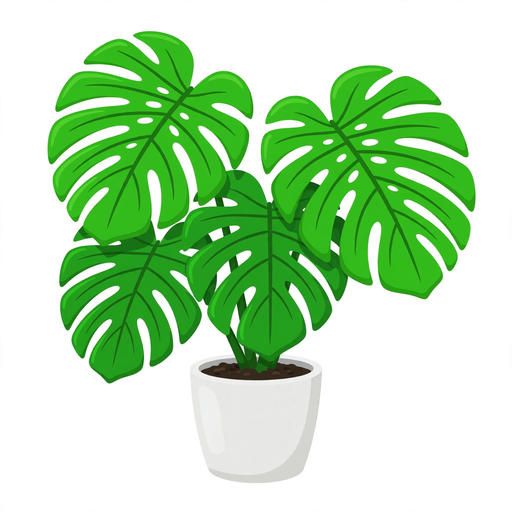 Monstera
The split-leaf Instagram star — its calcium oxalate crystals burn the mouths of cats and dogs that chew it.
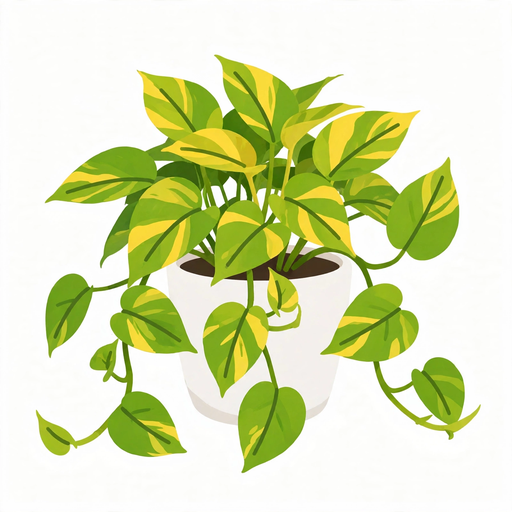 Pothos
Nearly indestructible trailing vine — and nearly every part irritates a curious cat or dog.
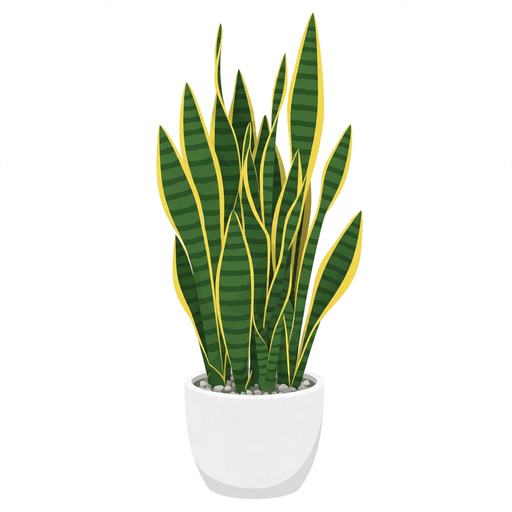 Snake Plant
Tough as nails for beginners, rough on pets — saponins cause nausea if chewed.
 Peace Lily
Elegant white blooms — but every part irritates pet mouths and stomachs.
🧰 Free pet tools
Handy calculators and helpers for everyday pet care — free, no sign-up.
📰 Latest from the blog
Pet-safe tips in your inbox
One short email a month: seasonal hazards to watch for, new safety checks, and practical care tips for your pets. No spam, unsubscribe anytime.
By subscribing you agree to our Privacy Policy.
❓ Questions about Eaoae
What is Eaoae?
A free pet-safety lookup. Type a food, plant, or household product, choose your pet’s species, and see a verdict compiled from published veterinary poison-control guidance — with the sources linked on every page.
Is Eaoae run by veterinarians?
No. Eaoae is run by editors — the Eaoae Safety Review — who compile and cross-check what veterinary authorities publish. We are organizers of other experts’ guidance, not experts ourselves, and Eaoae never diagnoses. For your individual pet, your veterinarian is the authority.
How does Eaoae decide a verdict?
A checked verdict must be backed by at least two independent, item-specific sources, including at least one primary authority (ASPCA Animal Poison Control, Pet Poison Helpline, the Merck Veterinary Manual, VCA Hospitals, PetMD, a university veterinary school, or peer-reviewed literature). An Unsafe verdict needs at least three independent sources. The editorial policy describes the process and how corrections work.
What if the sources disagree?
Then we say so. Disagreement is graded Caution and the page notes where the sources differ; if no authority covers an item for a species, the verdict is Unknown rather than a guess. Showing the disagreement is part of the point of Eaoae.
My pet just ate something. What should I do?
Don’t wait on a website. Call your veterinarian or an animal poison helpline — ASPCA Animal Poison Control or Pet Poison Helpline (a consultation fee may apply) — right away, and follow their instructions.
⚠️ A quick word on safety
Eaoae cross-checks everyday items against veterinary toxicology knowledge, but no lookup tool replaces a professional. Species differ wildly — something harmless to a dog can be dangerous to a cat or a parrot. When in doubt, keep it away from your pet and ask your vet.




