Home · Plant guide · Pothos
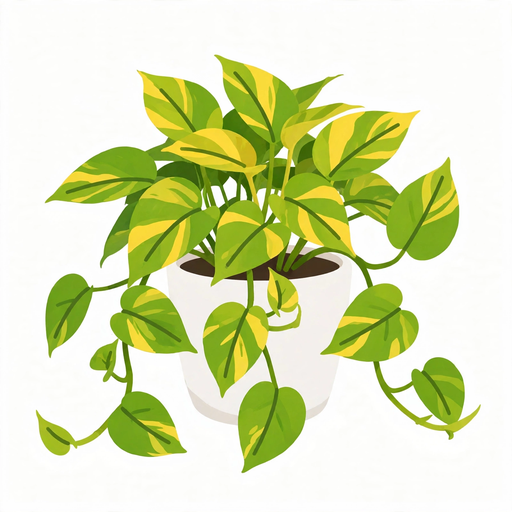 Pothos
Epipremnum aureum
AI-assisted guide by the Eaoae editorial team · Last updated 2026-10-05 · Based on independent veterinary sources
Pothos is one of the most popular indoor plants due to its hardiness and trailing vines, but it is toxic to many common household pets. The key takeaway is that while it looks harmless, ingestion can cause significant oral irritation and digestive upset in dogs, cats, and small mammals.
🚫 Keep away from
- Cats — Ingestion of calcium oxalate crystals causes immediate oral irritation and drooling.
- Dogs — Chewing on the leaves releases calcium oxalate crystals that irritate the mouth and throat.
- Rabbits — The calcium oxalate content can lead to oral pain and potential gastrointestinal distress.
- Guinea Pigs — These small rodents are sensitive to the sharp calcium oxalate crystals found in the plant tissue.
- Birds — Ingesting the plant material can cause irritation to the beak and digestive tract due to calcium oxalates.
👀 Signs to watch for
- Excessive drooling or salivation
- Redness or swelling of the mouth and tongue
- Vomiting or nausea
- Difficulty swallowing or chewing
- Diarrhea or loss of appetite
🔄 Pet-safe swaps
- Spider Plant — A hardy, trailing plant that looks similar to Pothos but is completely non-toxic to all common pets.
- Boston Fern — A lush, green fern that adds texture to your home without posing any toxic risk to animals.
- Parlor Palm — A compact, palm-like plant that is safe for cats and dogs and thrives in indoor conditions.
- Calathea — A beautiful, patterned leaf plant that is non-toxic and adds a tropical feel to pet-friendly spaces.
🪴 Care snapshot
- Light
- Low to bright indirect
- Water
- When soil dries out
- Difficulty
- Very easy
📚 Sources & further reading
Plant guides are compiled for reference and may be incomplete — always confirm with your vet for your individual pet. Spotted an error? Let us know.
Important: always confirm the botanical name — common names vary by region,
and lists like these are a starting point, not a complete safety manual.
For reference only — not veterinary advice. In an emergency, contact your vet immediately.




