Home · Plant guide · Sago Palm
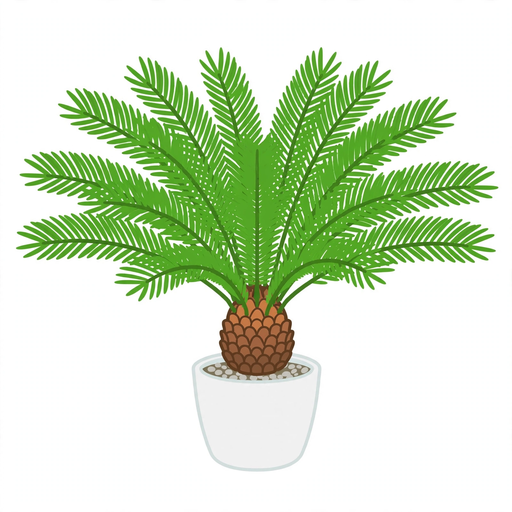 Sago Palm
Cycas revoluta
AI-assisted guide by the Eaoae editorial team · Last updated 2026-10-05 · Based on independent veterinary sources
The Sago Palm is a popular indoor plant due to its tropical look, but it is one of the most dangerous houseplants for pets. Every part of the plant, especially the seeds, contains high levels of toxins that can cause severe organ damage.
🚫 Keep away from
- Dogs — Ingestion of cycasin, a highly toxic compound found in all parts of the plant, can lead to liver failure.
- Cats — Cats are particularly sensitive to the cycasin toxin, which can cause acute liver damage even from small amounts.
- Birds — Birds can suffer from severe gastrointestinal distress and liver toxicity if they chew on the leaves or seeds.
- Rabbits — The high concentration of cycasin is toxic to rabbits and can cause fatal liver issues.
- Guinea Pigs — Guinea pigs are susceptible to the liver-damaging effects of cycasin found in the Sago Palm.
- Reptiles — Reptiles that ingest the plant material may experience toxic reactions due to the presence of cycasin.
👀 Signs to watch for
- Vomiting and diarrhea
- Loss of appetite
- Lethargy and weakness
- Yellowing of the skin or eyes (jaundice)
- Abdominal pain
🔄 Pet-safe swaps
- Parlor Palm — A non-toxic palm that offers a similar tropical aesthetic without the risk of liver damage.
- Areca Palm — This safe palm is known for improving air quality and is completely non-toxic to pets.
- Bamboo Palm — A hardy, pet-safe plant that thrives in low light and adds a lush green look to any room.
- Cast Iron Plant — While not a palm, it is a very durable, pet-safe plant that tolerates neglect and low light well.
🪴 Care snapshot
- Light
- Bright indirect
- Water
- When top dry
- Difficulty
- Easy
📚 Sources & further reading
Plant guides are compiled for reference and may be incomplete — always confirm with your vet for your individual pet. Spotted an error? Let us know.
Important: always confirm the botanical name — common names vary by region,
and lists like these are a starting point, not a complete safety manual.
For reference only — not veterinary advice. In an emergency, contact your vet immediately.




