Home · Plant guide · Rosemary
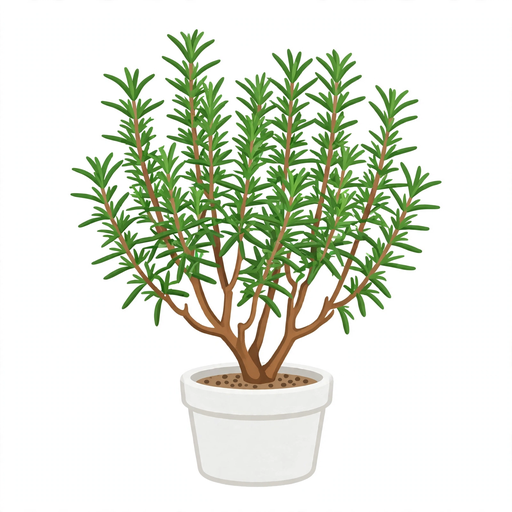 Rosemary
Salvia rosmarinus
AI-assisted guide by the Eaoae editorial team · Last updated 2026-10-05 · Based on independent veterinary sources
Rosemary is a popular culinary herb often kept in kitchens or sunny windowsills, but it is not considered safe for pets. While small nibbles are rarely fatal, the plant contains compounds that can cause gastrointestinal upset and other issues if ingested in significant amounts.
🚫 Keep away from
- Cats — Ingestion can lead to vomiting and diarrhea due to the presence of thujone and other essential oils.
- Dogs — Chewing on rosemary may cause mild to moderate gastrointestinal distress and drooling.
- Birds — The strong essential oils can irritate sensitive respiratory systems and digestive tracts.
- Rabbits — The high concentration of essential oils can disrupt their delicate gut flora, leading to bloat or diarrhea.
- Guinea Pigs — Like rabbits, they are sensitive to the volatile oils which can cause stomach upset.
✅ Generally fine for
- Reptiles — Generally safe as a visual element, though they should not be fed the plant as it is not part of their natural diet.
👀 Signs to watch for
- Vomiting
- Diarrhea
- Drooling or excessive salivation
- Loss of appetite
- Lethargy
🔄 Pet-safe swaps
- Basil — A fragrant culinary herb that is non-toxic to most common household pets.
- Chives — While toxic to cats, chives are generally safe for dogs and add a nice green accent to shelves.
- Parsley — A safe, leafy green that looks similar to rosemary in texture but poses no toxic risk.
- Mint — A refreshing, pet-safe herb that thrives in similar conditions and smells great.
🪴 Care snapshot
- Light
- Full sun
- Water
- When dry
- Difficulty
- Easy
📚 Sources & further reading
Plant guides are compiled for reference and may be incomplete — always confirm with your vet for your individual pet. Spotted an error? Let us know.
Important: always confirm the botanical name — common names vary by region,
and lists like these are a starting point, not a complete safety manual.
For reference only — not veterinary advice. In an emergency, contact your vet immediately.




