Home · Plant guide · Lily
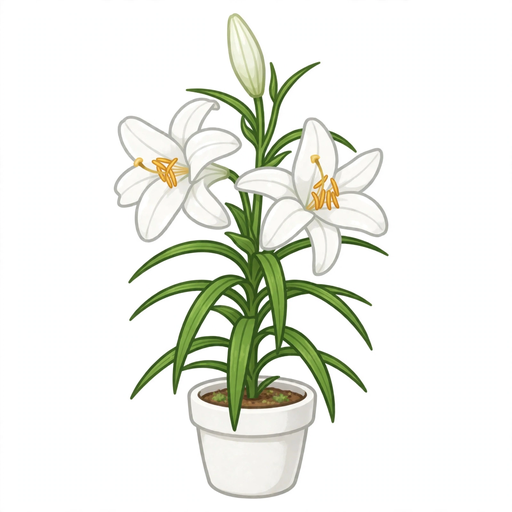 Lily
Lilium spp.
AI-assisted guide by the Eaoae editorial team · Last updated 2026-10-05 · Based on independent veterinary sources
Lilies are popular indoor plants due to their elegant blooms, but they are notoriously dangerous for pets. The key takeaway is that even small amounts of ingestion can cause severe organ damage, particularly in cats.
🚫 Keep away from
- Cats — All parts of the plant contain unknown toxic compounds that can cause acute kidney failure.
- Dogs — Ingestion can lead to gastrointestinal distress and potential kidney issues, though cats are more severely affected.
- Birds — Chewing on leaves or flowers can cause oral irritation and digestive upset due to toxic alkaloids.
- Rabbits — The plant contains toxins that can cause gastrointestinal stasis and liver damage in small mammals.
- Guinea Pigs — Ingestion may result in vomiting, diarrhea, and lethargy due to the plant's toxic properties.
✅ Generally fine for
- Reptiles — While generally less sensitive to plant toxins than mammals, it is still best to avoid feeding lilies to reptiles as they can cause digestive issues.
👀 Signs to watch for
- Vomiting and drooling
- Lethargy and loss of appetite
- Kidney failure signs such as excessive thirst or urination
- Abdominal pain or discomfort
🔄 Pet-safe swaps
- Orchid — A beautiful, non-toxic flowering plant that adds elegance without the risk of kidney damage.
- Spider Plant — Hardy and easy to care for, this plant is completely safe for all common household pets.
- Peace Lily — While mildly toxic if chewed, it is significantly safer than true lilies and offers a similar aesthetic with broad leaves.
- Boston Fern — A lush, green option that is non-toxic and helps improve indoor air quality.
🪴 Care snapshot
- Light
- Full sun to part shade
- Water
- Keep moist (usually outdoors)
- Difficulty
- Moderate
📚 Sources & further reading
Plant guides are compiled for reference and may be incomplete — always confirm with your vet for your individual pet. Spotted an error? Let us know.
Important: always confirm the botanical name — common names vary by region,
and lists like these are a starting point, not a complete safety manual.
For reference only — not veterinary advice. In an emergency, contact your vet immediately.




