Home · Plant guide · Jade Plant
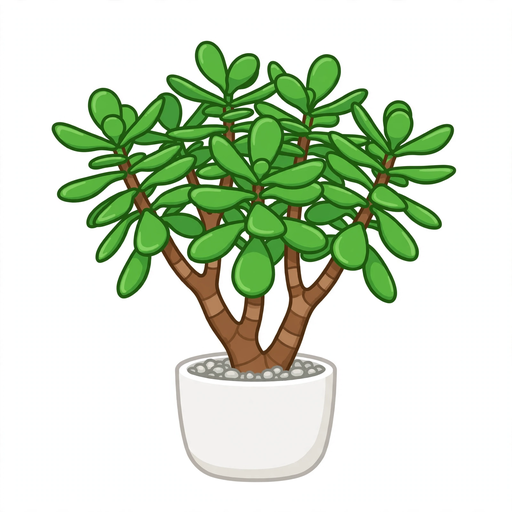 Jade Plant
Crassula ovata
AI-assisted guide by the Eaoae editorial team · Last updated 2026-10-05 · Based on independent veterinary sources
Jade plants are beloved, low-maintenance succulents found on windowsills everywhere thanks to their glossy, tree-like appearance. Unfortunately for pet families, this classic houseplant is toxic to domestic animals and should be kept completely out of reach.
🚫 Keep away from
- Dogs — Ingesting jade plant causes vomiting, sluggishness, and a slowed heart rate, though the specific toxic principle remains unidentified.
- Cats — Even small nibbles can trigger severe vomiting, lethargy, and a dangerous loss of muscle coordination.
- Rabbits — The unknown toxic compounds can severely disrupt a rabbit's sensitive digestive tract and cause extreme lethargy.
- Guinea Pigs — Small herbivores cannot tolerate the plant's toxins, putting them at high risk for digestive shutdown and weakness.
- Birds — Chewing the fleshy leaves can cause regurgitation, profound weakness, and potential neurological symptoms.
- Reptiles — Herbivorous or omnivorous reptiles may experience significant gastrointestinal distress and sluggishness if they browse on the leaves.
👀 Signs to watch for
- Vomiting
- Lethargy or depression
- Loss of muscle coordination (ataxia)
- Abnormally slow heart rate (bradycardia)
🔄 Pet-safe swaps
- Baby Rubber Plant (Peperomia obtusifolia) — Shares the jade's thick, glossy foliage and easy-care nature while being totally non-toxic.
- Haworthia (Zebra Succulent) — A hardy, drought-tolerant succulent with striking patterns that is completely safe around curious nibblers.
- Echeveria — Offers gorgeous, plump succulent rosettes in many colors without any harmful compounds.
- Christmas Cactus — A safe, trailing succulent that provides lush green pads and bright seasonal blooms without threatening pet health.
🪴 Care snapshot
- Light
- Bright direct sun
- Water
- When fully dry
- Difficulty
- Easy
📚 Sources & further reading
Plant guides are compiled for reference and may be incomplete — always confirm with your vet for your individual pet. Spotted an error? Let us know.
Important: always confirm the botanical name — common names vary by region,
and lists like these are a starting point, not a complete safety manual.
For reference only — not veterinary advice. In an emergency, contact your vet immediately.




