Home · Plant guide · Hoya
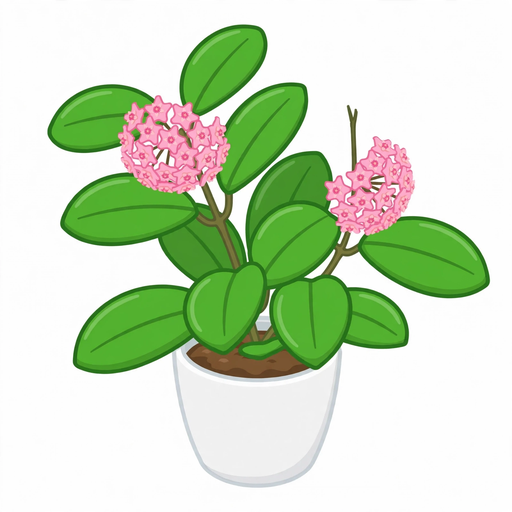 Hoya
Hoya carnosa
AI-assisted guide by the Eaoae editorial team · Last updated 2026-10-05 · Based on independent veterinary sources
Hoya carnosa, commonly known as the wax plant or porcelain flower, is a hugely popular trailing houseplant cherished for its waxy leaves and clusters of star-shaped flowers. The wonderful news for pet parents is that Hoyas are entirely non-toxic, making them a worry-free addition to homes with curious animals.
✅ Generally fine for
- Dogs — Wax plants are non-toxic to canines, so an accidental nibble won't cause systemic poisoning.
- Cats — Felines can safely explore around Hoyas, as they do not contain harmful toxins dangerous to cats.
- Birds — Birds can safely perch near or chew on Hoya foliage without risk of chemical toxicity.
- Rabbits — Bunnies are safe from poisoning if they take a bite, though fibrous houseplant leaves shouldn't replace their regular hay.
- Guinea Pigs — Guinea pigs can safely coexist with Hoyas without threat of plant-induced illness.
- Reptiles — Reptiles can safely inhabit terrariums decorated with live Hoya plants without toxicity concerns.
👀 Signs to watch for
- Mild vomiting from eating fibrous leaves
- Loose stool or mild diarrhea
- Drooling from mild sap irritation
- Temporary loss of appetite
🔄 Pet-safe swaps
- Peperomia obtusifolia — Shares the same thick, glossy, succulent-like leaves and is completely non-toxic to pets.
- Spider Plant — A lovely, cascading pet-safe plant that provides lush greenery with zero toxicity.
- Boston Fern — Offers gorgeous, feather-light trailing fronds that are entirely safe around playful pets.
- Christmas Cactus — Provides charming cascading stems and bright seasonal blooms while keeping your pets safe.
🪴 Care snapshot
- Light
- Bright indirect
- Water
- When fully dry
- Difficulty
- Easy
📚 Sources & further reading
Plant guides are compiled for reference and may be incomplete — always confirm with your vet for your individual pet. Spotted an error? Let us know.
Important: always confirm the botanical name — common names vary by region,
and lists like these are a starting point, not a complete safety manual.
For reference only — not veterinary advice. In an emergency, contact your vet immediately.




