Home · Plant guide · Elephant Ear
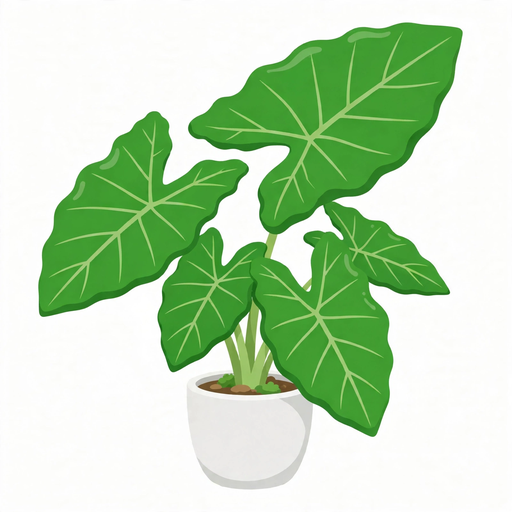 Elephant Ear
Alocasia amazonica
AI-assisted guide by the Eaoae editorial team · Last updated 2026-10-05 · Based on independent veterinary sources
Elephant Ear plants are popular indoor choices due to their large, dramatic foliage, but they are not pet-safe. The key takeaway is that all parts of the plant contain toxic compounds that can cause significant irritation if ingested by your furry or feathered friends.
🚫 Keep away from
- Cats — Ingestion of calcium oxalate crystals causes immediate oral irritation and swelling.
- Dogs — Chewing on the leaves leads to painful mouth sores and drooling due to calcium oxalates.
- Birds — Birds are highly sensitive to the plant's toxins, which can cause severe respiratory and digestive distress.
- Rabbits — The calcium oxalate crystals irritate the delicate digestive tract and mouth of rabbits.
- Guinea Pigs — Ingestion results in oral pain and potential gastrointestinal upset from the plant's toxic compounds.
- Reptiles — While less common, reptiles can suffer from oral irritation and digestive issues if they consume the plant.
👀 Signs to watch for
- Excessive drooling or salivation
- Swelling of the mouth, tongue, or throat
- Difficulty swallowing or breathing
- Vomiting or diarrhea
- Loss of appetite
🔄 Pet-safe swaps
- Boston Fern — A lush, green option that is completely non-toxic to all common household pets.
- Parlor Palm — Offers a similar tropical vibe with broad leaves and is safe for cats and dogs.
- Calathea — Provides striking leaf patterns and is a safe choice for pet-friendly homes.
- Spider Plant — Easy to care for and produces cute plantlets, making it a great safe alternative.
🪴 Care snapshot
- Light
- Bright indirect
- Water
- Keep lightly moist
- Difficulty
- Moderate
📚 Sources & further reading
Plant guides are compiled for reference and may be incomplete — always confirm with your vet for your individual pet. Spotted an error? Let us know.
Important: always confirm the botanical name — common names vary by region,
and lists like these are a starting point, not a complete safety manual.
For reference only — not veterinary advice. In an emergency, contact your vet immediately.




