Home · Plant guide · Calathea
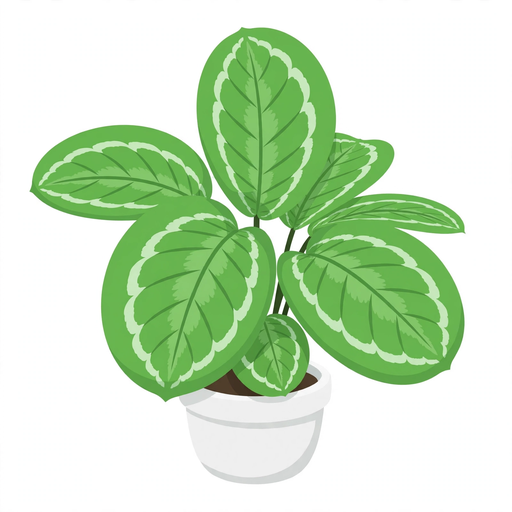 Calathea
Goeppertia makoyana
AI-assisted guide by the Eaoae editorial team · Last updated 2026-10-05 · Based on independent veterinary sources
Calathea makoyana is a popular indoor choice for its striking, patterned leaves, but it is generally considered non-toxic to most common household pets. While it poses no serious threat, individual animals may still experience mild digestive upset if they chew on the foliage.
✅ Generally fine for
- Dogs — This plant is non-toxic to dogs, though eating large amounts of any plant can cause mild stomach upset.
- Cats — Cats can safely coexist with this plant, as it does not contain compounds harmful to their health.
- Birds — Birds are generally safe with this plant, but you should still monitor them to prevent them from ingesting large quantities of leaves.
- Rabbits — Rabbits can tolerate this plant, but it should not replace their primary diet of hay and leafy greens.
- Guinea Pigs — Guinea pigs are safe with this plant, though it offers little nutritional value compared to their standard feed.
- Reptiles — Reptiles are not at risk from toxicity, but they should not be fed this plant as part of their diet.
👀 Signs to watch for
- Mild vomiting or nausea
- Temporary diarrhea
- Loss of appetite
- Mouth irritation or drooling
🔄 Pet-safe swaps
- Spider Plant — A hardy, trailing plant that is completely non-toxic and easy to care for.
- Boston Fern — A lush, green fern that adds texture to your space without posing any risk to pets.
- Parlor Palm — A compact, palm-like plant that is safe for all common pets and thrives in indoor conditions.
- Prayer Plant — Another member of the Marantaceae family that is non-toxic and offers similar visual appeal to Calathea.
🪴 Care snapshot
- Light
- Medium indirect
- Water
- Keep moist, avoid hard tap water
- Difficulty
- Fussy
📚 Sources & further reading
Plant guides are compiled for reference and may be incomplete — always confirm with your vet for your individual pet. Spotted an error? Let us know.
Important: always confirm the botanical name — common names vary by region,
and lists like these are a starting point, not a complete safety manual.
For reference only — not veterinary advice. In an emergency, contact your vet immediately.




