Home · Plant guide · Aloe Vera
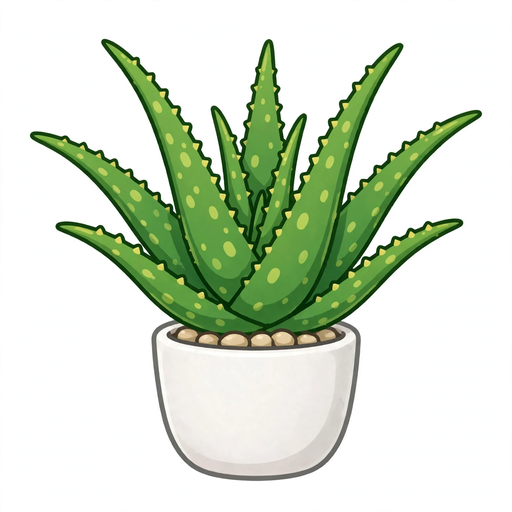 Aloe Vera
Aloe vera
AI-assisted guide by the Eaoae editorial team · Last updated 2026-10-05 · Based on independent veterinary sources
Aloe vera is a beloved household succulent prized for its soothing gel and low-maintenance care. However, while it is wonderfully healing for human skin, it poses a genuine toxicity risk to curious companion animals due to naturally occurring compounds in its leaves.
🚫 Keep away from
- Cats — The outer rind contains saponins and anthraquinone glycosides like aloin, which cause severe digestive upset and lethargy in felines.
- Dogs — Saponins and anthraquinones in the leaf latex can induce vomiting, diarrhea, loss of appetite, and tremors if ingested.
- Rabbits — The bitter latex compounds disrupt a rabbit's fragile gastrointestinal system and can lead to dangerous digestive stasis.
- Guinea Pigs — The saponins within the leaves can trigger painful stomach cramping, diarrhea, and rapid dehydration.
- Birds — Avian systems are highly sensitive to the irritant glycosides and saponins, which can cause severe digestive distress and weakness.
- Reptiles — The purgative anthraquinones can cause bowel irritation and severe diarrhea in herbivorous or omnivorous reptiles.
👀 Signs to watch for
- Vomiting (in dogs and cats)
- Severe diarrhea or loose stools
- Lethargy and unusual weakness
- Loss of appetite
- Changes in urine color
🔄 Pet-safe swaps
- Zebra Haworthia — Shares a strikingly similar pointed, striped succulent look while being completely non-toxic to pets.
- Burro's Tail — A lovely, plump succulent that adds wonderful texture to shelves without putting curious chewers at risk.
- Peperomia — Features thick, fleshy leaves reminiscent of succulents and is entirely pet-safe.
- Christmas Cactus — Offers trailing segmented green foliage with beautiful blooms, free from harmful saponins.
🪴 Care snapshot
- Light
- Bright direct sun
- Water
- Deeply but infrequently
- Difficulty
- Easy
📚 Sources & further reading
Plant guides are compiled for reference and may be incomplete — always confirm with your vet for your individual pet. Spotted an error? Let us know.
Important: always confirm the botanical name — common names vary by region,
and lists like these are a starting point, not a complete safety manual.
For reference only — not veterinary advice. In an emergency, contact your vet immediately.




