Home · Plant guide · African Violet
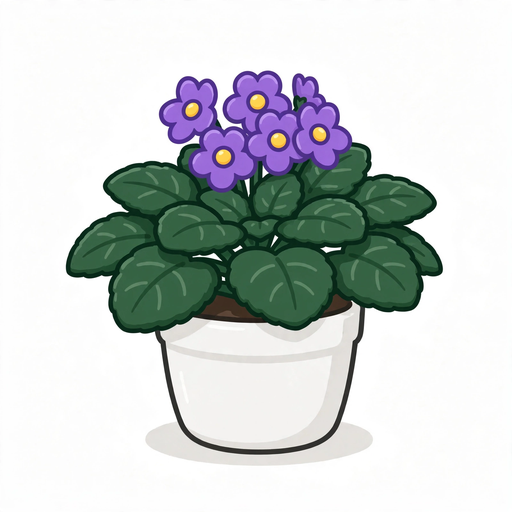 African Violet
Saintpaulia ionantha
AI-assisted guide by the Eaoae editorial team · Last updated 2026-10-05 · Based on independent veterinary sources
African Violets are incredibly popular indoor plants due to their vibrant flowers and compact size. The good news for pet owners is that they are non-toxic to all common household animals, making them a safe choice for homes with curious pets.
✅ Generally fine for
- Dogs — Completely non-toxic, though chewing may cause mild stomach upset.
- Cats — Safe to be around, as the plant contains no harmful compounds.
- Birds — Non-toxic, but keep in mind that any plant material can cause intestinal blockages if eaten in large quantities.
- Rabbits — Safe, but should be introduced slowly as with any new food source.
- Guinea Pigs — Non-toxic and generally safe for small herbivores.
- Reptiles — Safe for most reptile species, though not a primary food source.
👀 Signs to watch for
- Mild gastrointestinal upset
- Vomiting
- Diarrhea
- Loss of appetite
🔄 Pet-safe swaps
- Spider Plant — Easy to care for and completely non-toxic to all pets.
- Boston Fern — Adds lush greenery and is safe for cats and dogs.
- Parlor Palm — A hardy, pet-safe option that thrives in indoor conditions.
- Calathea — Offers beautiful foliage and is non-toxic to common household pets.
🪴 Care snapshot
- Light
- Bright indirect
- Water
- Water from below, keep leaves dry
- Difficulty
- Moderate
📚 Sources & further reading
Plant guides are compiled for reference and may be incomplete — always confirm with your vet for your individual pet. Spotted an error? Let us know.
Important: always confirm the botanical name — common names vary by region,
and lists like these are a starting point, not a complete safety manual.
For reference only — not veterinary advice. In an emergency, contact your vet immediately.




